
The Whitsundays' fishy wonderland - premier snorkelling site with abundant marine life
Location:
Northern end of Hook Island
Part of:
Great Barrier Reef Marine Park
Coordinates:
-20.0619, 148.9604
Access:
Day tours, overnight sailing tours
Best for:
Snorkelling, diving, marine life encounters
Facilities:
Six public moorings, no anchoring
About Manta Ray Bay
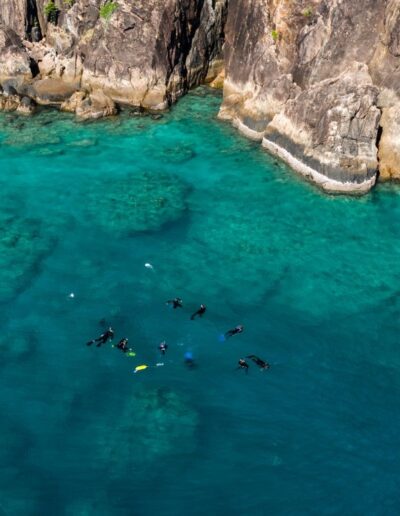
Manta Ray Bay is a protected bay located on the northern end of Hook Island in the Whitsunday Islands, approximately 25 kilometres east of Airlie Beach. Sitting within the Great Barrier Reef Marine Park, this bay has earned the nickname "The Aquarium" from local tour guides due to its extraordinary abundance of fish life that thrives in these protected waters. Manta Ray Bay is widely considered one of the best dive and snorkel sites in the inshore Whitsunday Islands, attracting both day tour visitors and overnight sailors.
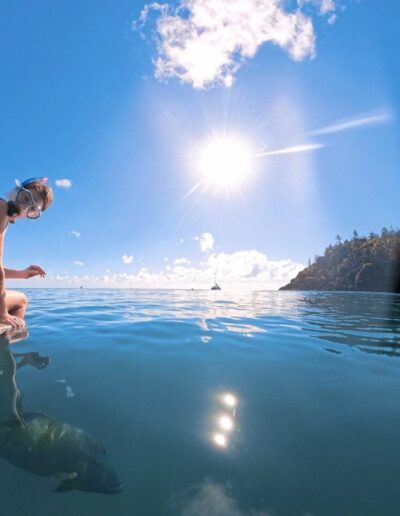
The bay is home to George, a giant Maori Wrasse who has become a local celebrity throughout the Whitsundays. George is curious and friendly with humans, often swimming up to boats and snorkellers to greet visitors. He's frequently accompanied by several "lady friends" - other Maori Wrasse who also inhabit the bay. These enormous fish can reach up to 2 metres in length and are listed as Endangered by the IUCN, making encounters with George particularly special. The bay also hosts Trevor, a mature male Giant Trevally, schools of hundreds of Yellow-tail Fusiliers, and Batfish known for their comical facial expressions.
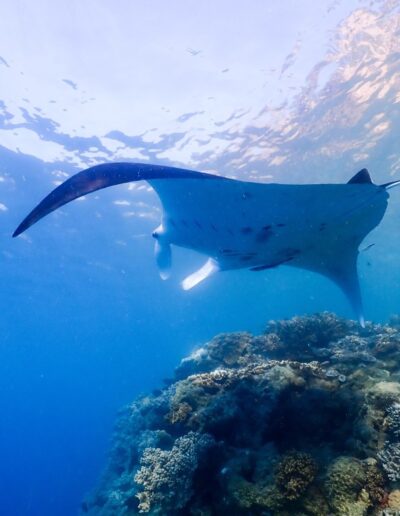
Although Cyclone Debbie caused considerable damage to Manta Ray Bay in March 2017, the reef is recovering well. The bay features an array of underwater valleys, caves, and swim-throughs leading to depths of 25 metres, with good coverage of hard and soft corals. Manta Ray Bay operates as a no-anchor and no-fishing Green Zone, with six public moorings available for visiting vessels. Marine Park regulations have helped the fish populations thrive, and designated fish feeding (using approved Great Barrier Reef Marine Park food only) has made the marine life comfortable with human presence. During winter months (May to September), the bay's namesake manta rays visit the area, adding to the already impressive marine encounters.
What to Expect at Manta Ray Bay
Manta Ray Bay offers an underwater experience unlike any other in the Whitsundays. As soon as you enter the water, you're immersed in a fishy wonderland where marine life doesn't just tolerate your presence - it actively engages with you. The fish here have been visited numerous times daily by humans over many years, making them exceptionally comfortable around snorkellers and divers. So comfortable, in fact, that a fish may accidentally head-butt you as schools of Yellow-tail Fusiliers swirl around, creating an immersive aquatic experience.
The underwater topography features valleys, caves, and swim-throughs that make exploration interesting at various depths down to 25 metres. Coral coverage includes both hard and soft corals, with the reef continuing its recovery from cyclone damage. Marine life is the true star here - alongside George the Maori Wrasse and Trevor the Giant Trevally, you'll encounter Batfish with their amusing expressions, coral trout, parrotfish, and hundreds of small shiny damselfish. The bay also features two sculptures as part of the Ngaro Underwater Sculpture Trail, including a 4-metre aluminium Manta Ray sculpture and "Migration of the Manta Ray" in concrete and stainless steel, both created in collaboration with Traditional Owners.
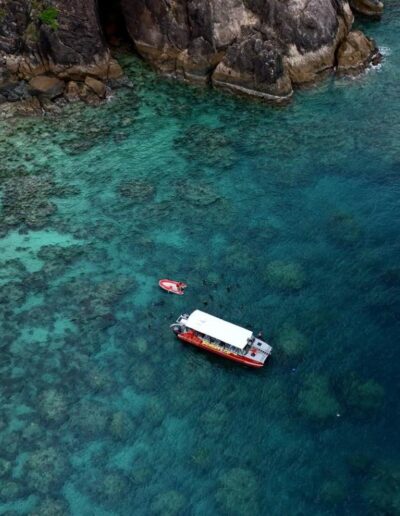
The bay's exposure and strong currents make it unsuitable for overnight anchorage, though it's perfect for daytime visits. Tour boats typically moor using the six available public moorings, as anchoring is prohibited throughout the bay. While the fish diversity isn't as extensive as some other locations, the sheer abundance and accessibility of marine life creates an impressive spectacle. Winter months bring the additional possibility of encountering manta rays, which can have wingspans up to 5 metres in Whitsundays waters. The bay's protection under Great Barrier Reef Marine Park management ensures these special underwater encounters continue for future visitors.
How to Get to Manta Ray Bay
Day Tours
Several day tours from Airlie Beach include Manta Ray Bay as a snorkelling stop, though visits depend on weather, wind, and sea conditions. Thundercat by Red Cat Adventures regularly visits Manta Ray Bay and is considered one of the best snorkel tours in the Whitsundays. Ocean Rafting's Northern Exposure tour focuses on snorkelling-orientated experiences and frequently includes Manta Ray Bay. These snorkelling tours typically combine Manta Ray Bay with other locations like Whitehaven Beach for a full-day experience.
Overnight Sailing Tours
Many overnight sailing tours include Manta Ray Bay in their itineraries when exploring Hook Island. Two-day and three-day sailing adventures frequently stop at Manta Ray Bay for snorkelling sessions, allowing guests to meet George and experience the abundant fish life. Tours like Whitsunday Adventurer, Apollo, and other multi-day sailing vessels visit snorkel spots around Hook Island including Manta Ray Bay, Luncheon Bay, Cockatoo Point, and Mackerel Bay depending on conditions.
Private Charters
Private yacht charters offer the flexibility to specifically request Manta Ray Bay as a destination in your custom itinerary. Let your skipper know this bay is on your Whitsundays bucket list to ensure a visit. Six public moorings are available on a first-come, first-served basis, though the bay fills with tour boats during peak times. Private charters departing from Coral Sea Marina can easily reach Manta Ray Bay as part of exploring Hook Island's northern region.
Things to Do at Manta Ray Bay
🤿 Snorkelling
Experience "The Aquarium" with hundreds of fish swimming around you. Meet George the Maori Wrasse and schools of Yellow-tail Fusiliers in crystal-clear waters.
🤿 Scuba Diving
Explore underwater valleys, caves, and swim-throughs to depths of 25 metres. Encounter coral trout, batfish, parrotfish, and the famous resident Maori Wrasse.
🎨 Underwater Sculptures
View two sculptures from the Ngaro Underwater Sculpture Trail, created in collaboration with Traditional Owners. The 4-metre Manta Ray sculpture is a unique photo opportunity.
🐠 Marine Life Encounters
Get up close with friendly fish including George, Trevor the Giant Trevally, and batfish with comical expressions. Fish here are comfortable with human presence.
🦈 Manta Ray Spotting
Visit during winter months (May-September) for the best chance of seeing manta rays. These gentle giants visit the bay during cooler months with wingspans up to 5 metres.
📸 Underwater Photography
Capture incredible photos of George the Maori Wrasse, schools of fusiliers, and underwater sculptures. The fish are comfortable enough to create amazing close-up opportunities.
Nearby Attractions
🤿 Butterfly Bay
Sheltered bay on Hook Island's northern side offering excellent snorkelling and a popular overnight anchorage for bareboat charters.
🏝️ Hook Island
Second-largest island in the Whitsundays offering multiple snorkelling bays, bushwalking trails, camping sites, and the ancient Ngaro Cultural Site.
🏖️ Whitehaven Beach
Famous 7-kilometre beach with pure white silica sand, often combined with Manta Ray Bay visits on full-day tours from Airlie Beach.
Essential Information
Best Time to Visit
Manta Ray Bay can be visited year-round, though winter months (May to September) offer the additional attraction of manta rays visiting the bay. The cooler water temperatures during these months attract these gentle giants. The dry season (May to October) generally provides the best conditions for snorkelling with clearer waters and calmer seas. Marine stinger season runs November to May, requiring protective clothing or stinger suits. Tour operators visit daily during peak season, so expect company from other vessels.
What to Bring
Snorkelling gear (typically provided on tours), underwater camera to capture George and the abundant fish life, stinger suit during November-May season, reef-safe sunscreen, water shoes, and plenty of water. If photographing manta rays, bring proper underwater camera equipment. Most tour operators provide all necessary snorkelling equipment and safety gear.
Important Notes
- Great Barrier Reef Marine Park Green Zone - no fishing permitted
- No anchoring zone - six public moorings available only
- Not suitable for overnight anchorage due to strong currents and exposure to swell
- Designated fish feeding approved by Marine Parks - only tour operators with permits
- Do not feed fish yourself - against Marine Park regulations
- George the Maori Wrasse is endangered - look but don't touch
- Manta rays most likely May-September during cooler months
- Marine stinger season November-May requires protective clothing
- Reef recovering from 2017 Cyclone Debbie damage but still excellent for snorkelling
- Visit dependent on weather and sea conditions - tours may redirect to alternative sites
- Popular with tour boats - moorings fill quickly during peak times
Frequently Asked Questions
Where is Manta Ray Bay located?
Manta Ray Bay is located on the northern end of Hook Island in the Whitsunday Islands, approximately 25 kilometres east of Airlie Beach. The bay is part of the Great Barrier Reef Marine Park.
How do you get to Manta Ray Bay?
Manta Ray Bay is accessible via day tours and overnight sailing tours from Airlie Beach, including operators like Thundercat, Ocean Rafting, and various multi-day sailing vessels. Private charters can also visit the bay. Access depends on weather and sea conditions.
Who is George at Manta Ray Bay?
George is a giant Maori Wrasse who lives at Manta Ray Bay and has become a local celebrity. He's curious and friendly with humans, often swimming up to greet snorkellers and boats. George can reach up to 2 metres long and is an endangered species, making encounters with him particularly special.
When can you see manta rays at Manta Ray Bay?
Manta rays are most likely to be seen during winter months from May to September when cooler water temperatures attract these gentle giants to the bay. Manta rays in the Whitsundays typically have wingspans up to 5 metres.
Why is Manta Ray Bay called The Aquarium?
Local tour guides nicknamed Manta Ray Bay "The Aquarium" due to the extraordinary abundance of fish life in the bay. The fish are comfortable with human presence from daily tour visits, creating an immersive experience where hundreds of fish swim around snorkellers.
Tours to Manta Ray Bay
Manta Ray Bay is accessible on day tours and overnight sailing tours from Airlie Beach. This premier snorkelling site is regularly included on itineraries exploring Hook Island's exceptional fringing reefs and marine life.
Good to Know
✓ Northern end of Hook Island
✓ Known as "The Aquarium" by locals
✓ Home to George the giant Maori Wrasse
✓ Best snorkel site in inshore Whitsundays
✓ Manta rays visit May-September
✓ Underwater valleys, caves, swim-throughs
✓ No anchoring - six public moorings only
✓ Ngaro Underwater Sculpture Trail site
Type: Protected Bay & Premier Snorkelling Site
Location: Northern Hook Island, Whitsunday Islands, Queensland
Best For: Snorkelling, diving, marine life encounters, manta ray spotting