
Largest island in the Whitsundays, home to Whitehaven Beach and untouched wilderness
Location:
Off the coast of central Queensland
Part of:
Whitsunday Islands National Park
Coordinates:
-20.2605, 148.9818
Access:
Day tours, overnight sailing, private boat
Best for:
Camping, bushwalking, sailing, snorkelling
Island size:
109 square kilometres (27,508 hectares)
About Whitsunday Island
Whitsunday Island is a continental island located off the central Queensland coast in the Whitsunday Islands group. At 109 square kilometres, Whitsunday Island is the largest island in the Whitsunday archipelago and sits within the Whitsunday Islands National Park and Great Barrier Reef World Heritage Area. The island lies approximately 25 kilometres east of Airlie Beach and is accessible only by boat.
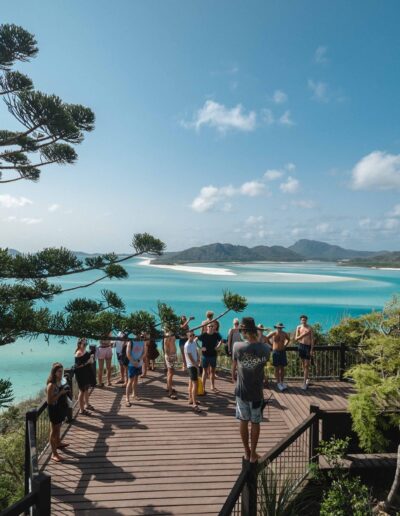
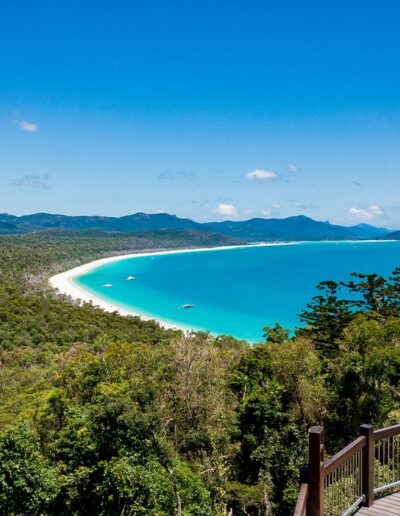
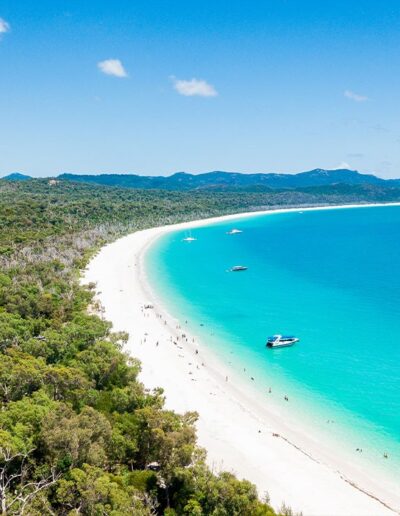
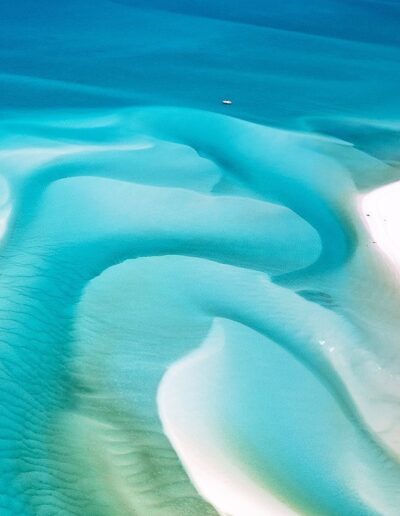
Whitsunday Island is home to the internationally renowned Whitehaven Beach, a 7-kilometre stretch of pure white silica sand on the island's eastern coast. The northern end of Whitehaven Beach features Hill Inlet Lookout, where tidal movements create spectacular swirling patterns in the sand and turquoise waters. Other notable beaches on the island include Betty's Beach, a secluded spot north of Hill Inlet, and several protected bays within Cid Harbour on the western side.
The island is a continental landmass formed after the last ice age when rising sea levels separated a coastal mountain range into 74 individual islands. Whitsunday Island rises to 437 metres at Whitsunday Peak, known as the Roof of the Whitsundays. The island remains completely undeveloped with no resorts or permanent accommodation, preserving its natural wilderness character. Camping is permitted at six designated campgrounds around the island, making Whitsunday Island one of the most popular destinations for overnight sailors and bush campers in Queensland.
What to Expect at Whitsunday Island
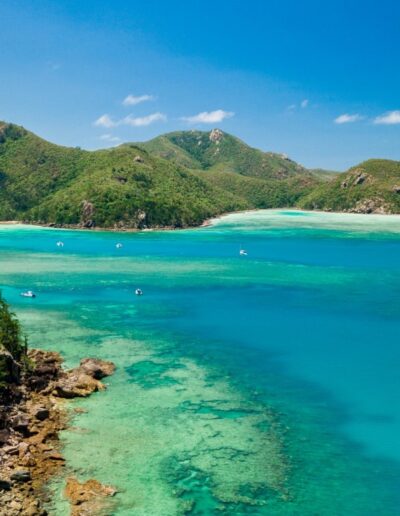
Whitsunday Island offers a pristine natural environment with dense tropical rainforest covering much of the interior and fringing coral reefs surrounding the coastline. The island's beaches feature exceptional white silica sand, warm turquoise waters, and protection from the outer reef that creates calm swimming and snorkelling conditions in most bays. Seagrass beds around the northern bays support diverse marine life including sea turtles, rays, and tropical fish.
Visitors will find Whitsunday Island completely free of commercial development. There are no shops, cafes, or facilities beyond basic camping amenities at designated campgrounds. The island's six campgrounds - Whitehaven Beach, Chance Bay, Dugong Beach, Joe's Beach, Nari's Beach, and Cairn Beach - offer composting toilets and picnic tables in most locations, though campers must bring all water, food, and supplies. Bush camping areas are connected by walking tracks that wind through rainforest, coastal vegetation, and open forest.
Wildlife encounters are common across Whitsunday Island. Unadorned rock-wallabies inhabit rocky areas, orange-footed scrubfowl nest in the rainforest, and sea turtles frequent the surrounding waters. Dolphins and rays visit the sheltered bays, while humpback whales pass through the Whitsunday Passage during their annual migration from June to September. The island's west-facing beaches in Cid Harbour provide spectacular sunset views, and the east coast offers stunning sunrises over the Coral Sea.
How to Get to Whitsunday Island
Tours
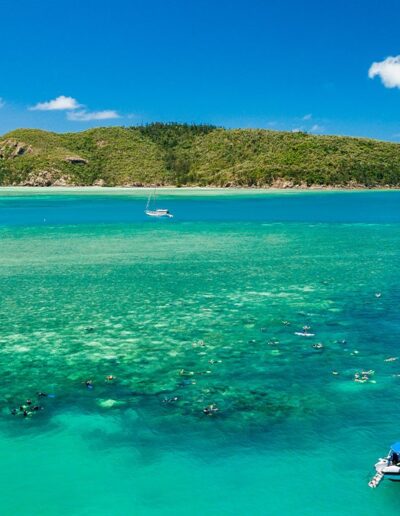
Most visitors reach Whitsunday Island on organised tours departing from Airlie Beach. Whitehaven Beach tours are the most popular option, offering day trips to the island's famous eastern beach with stops at Hill Inlet Lookout. Day tours operate on power boats, catamarans, and sailing vessels, with most including snorkelling stops at fringing reefs around the island. Overnight sailing tours allow extended time to explore multiple bays and beaches, with anchorages in Cid Harbour, Tongue Bay, and Turtle Bay.
Bareboat Charter & Private Vessels
Bareboat charter and private boat owners can access Whitsunday Island from Shute Harbour, Coral Sea Marina, or Port of Airlie. Multiple protected anchorages around the island accommodate overnight mooring, including Cid Harbour (one of the Whitsundays' safest anchorages), Tongue Bay, Turtle Bay, and designated mooring areas along Whitehaven Beach. Sailing time from Airlie Beach is approximately 2-3 hours depending on conditions and destination.
Camping Transfers
Island camping transfer services operate scheduled drop-offs and pick-ups for campers at all six campgrounds on Whitsunday Island. Transfers depart from Airlie Beach with prices varying by destination - closer Cid Harbour sites cost approximately $105 per person return, while Whitehaven Beach and Hook Island transfers cost around $155-160 per person return. Bookings should be made in advance, and camping permits from Queensland Parks must be obtained separately before arrival.
Scenic Flights
Scenic flights by helicopter and seaplane offer aerial views of Whitsunday Island, with some packages including beach landings at Whitehaven Beach. Flights depart from Airlie Beach and Hamilton Island, providing spectacular overhead perspectives of Hill Inlet's swirling sands and the island's pristine coastline.
Things to Do at Whitsunday Island
🏕️ Bush Camping
Camp at six designated campgrounds including Whitehaven Beach, Cid Harbour sites, and Cairn Beach. Wake up to sunrise on one of the world's most beautiful beaches.
🥾 Bushwalking
Hike the Ngaro Sea Trail tracks connecting beaches, climb to Hill Inlet Lookout, walk the Solway Circuit, or tackle Whitsunday Peak for panoramic island views.
🤿 Snorkelling
Explore fringing coral reefs at Cairn Beach, Turtle Bay, and around the island's protected bays. Spot sea turtles, tropical fish, and rays in crystal-clear waters.
🏊 Swimming
Swim in warm turquoise waters at Whitehaven Beach, Betty's Beach, Chance Bay, and Turtle Bay. Water temperature averages 26 degrees year-round.
⛵ Sailing & Kayaking
Anchor in protected harbours, sail between secluded bays, or kayak along the coastline exploring hidden coves and beaches accessible only by water.
📸 Photography
Capture Hill Inlet's famous swirling sands, pristine beaches, rainforest scenery, and spectacular sunrises and sunsets from various island vantage points.
🐢 Wildlife Watching
Spot rock-wallabies, orange-footed scrubfowl, sea turtles, dolphins, rays, and during winter months (June-September) migrating humpback whales.
🎣 Fishing
Fish from beaches or boats in Cid Harbour and around the island. Check Queensland fishing regulations and marine park zoning before casting.
Nearby Islands & Attractions
🏝️ Hook Island
Second-largest Whitsunday island located north of Whitsunday Island. Features Ngaro cultural sites, excellent snorkelling at The Pinnacles, and four camping areas.
🏖️ Whitehaven Beach
7-kilometre beach on Whitsunday Island's eastern coast. Pure white silica sand, consistently ranked among the world's best beaches.
👁️ Hill Inlet Lookout
Viewpoint at the northern end of Whitehaven Beach where tidal movements create spectacular swirling patterns in white sand and turquoise water.
🏝️ Hamilton Island
Commercial centre of the Whitsundays located south-east of Whitsunday Island. Resort accommodation, airport, marina, restaurants, and tour departures.
Essential Information
Best Time to Visit
Whitsunday Island is accessible year-round, with the dry season from April to October offering the most comfortable conditions for camping and bushwalking. Winter months (June-September) provide ideal sailing weather, lower humidity, and opportunities to see migrating humpback whales. Summer (November-May) brings higher temperatures, afternoon storms, and marine stinger season requiring protective swimming clothing. The island's east-facing beaches receive morning sun and spectacular sunrises, while Cid Harbour's west-facing beaches offer sunset views.
What to Bring
For day trips: swimming gear, snorkelling equipment, sun protection (hat, sunscreen, rashie), reef-safe sunscreen, camera, water, and snacks. For camping: all drinking water (no fresh water available on island), complete food supplies, camping equipment, torch, first aid kit, insect repellent, rubbish bags, and marine stinger suit for summer months. Campers must remove all rubbish when departing - pack in, pack out policy applies across the island.
Important Notes
- No shops, cafes, or facilities on Whitsunday Island - bring all supplies
- Camping permits required from Queensland Parks - book well in advance
- Marine stinger season November-May requires protective clothing for swimming
- Do not swim in Cid Harbour due to shark risk - warning signs are posted
- Mobile phone coverage limited to some lookout points - plan accordingly
- Campfires and generators prohibited at all campgrounds
- Take all rubbish with you - no bins available on the island
- Observe marine park zoning regulations for fishing and anchoring
- Crocodiles inhabit northern Queensland waterways - follow safety advice
- Weather can change quickly - check marine forecasts before departing
Frequently Asked Questions
What is Whitsunday Island known for?
Whitsunday Island is known for being home to Whitehaven Beach, one of the world's most beautiful beaches with 7 kilometres of pure white silica sand. The island is also famous for Hill Inlet Lookout and its completely undeveloped natural wilderness within the Great Barrier Reef World Heritage Area.
How do you get to Whitsunday Island?
Whitsunday Island is accessible only by boat from Airlie Beach or Shute Harbour. Most visitors arrive on day tours, overnight sailing tours, or bareboat charters. Camping transfers operate for overnight stays, and some scenic flights include beach landings at Whitehaven Beach.
Can you camp on Whitsunday Island?
Yes, camping is permitted at six designated campgrounds on Whitsunday Island including Whitehaven Beach, Chance Bay, Dugong Beach, Joe's Beach, Nari's Beach, and Cairn Beach. Camping permits must be booked in advance through Queensland Parks, and all water, food, and camping equipment must be brought to the island.
Are there any resorts on Whitsunday Island?
No, Whitsunday Island has no resorts, hotels, or permanent accommodation. The island remains completely undeveloped as part of Whitsunday Islands National Park, with only basic camping facilities available at designated campgrounds.
What beaches are on Whitsunday Island?
Major beaches on Whitsunday Island include Whitehaven Beach (7km, east coast), Betty's Beach (north of Hill Inlet), Chance Bay (south-east), Cairn Beach (north-east), and several beaches within Cid Harbour on the west side including Dugong Beach, Joe's Beach, and Nari's Beach. Turtle Bay features five small beaches accessible at low tide.
How big is Whitsunday Island?
Whitsunday Island covers 109 square kilometres (27,508 hectares), making it the largest island in the Whitsunday Islands group. The island measures approximately 19 kilometres from north to south and 15 kilometres from east to west.
Tours to Whitsunday Island
Explore Whitsunday Island on day trips to Whitehaven Beach, overnight sailing adventures, or multi-day camping expeditions. Tours depart daily from Airlie Beach visiting the island's pristine beaches, secluded bays, and famous Hill Inlet Lookout.
Good to Know
✓ Largest island in the Whitsundays at 109 sq km
✓ Home to world-famous Whitehaven Beach
✓ Part of Great Barrier Reef World Heritage Area
✓ No resorts or commercial development
✓ Six designated camping areas with permits required
✓ Traditional land of the Ngaro people
✓ Accessible only by boat from Airlie Beach
✓ Named by Captain James Cook in 1770
Type: Continental Island
Location: 25km east of Airlie Beach, Whitsundays, Queensland
Best For: Camping, bushwalking, pristine beaches, natural wilderness