
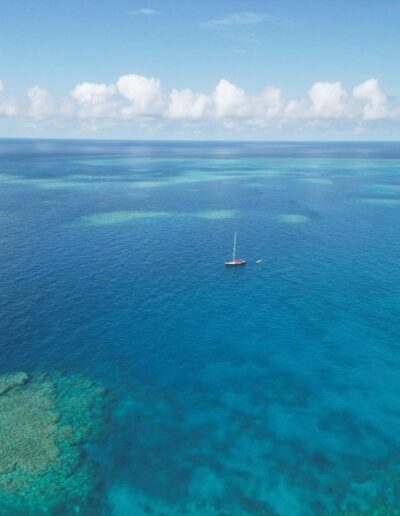
Mid-shelf reef on the Outer Great Barrier Reef with spectacular dive sites and pristine coral gardens
Location:
65km northeast of Airlie Beach
Part of:
Great Barrier Reef Marine Park
Coordinates:
-19.8017, 149.0755
Access:
Day tours and overnight tours by boat
Best for:
Snorkelling, scuba diving, marine life viewing
Facilities:
12 public moorings, no permanent structures
About Bait Reef
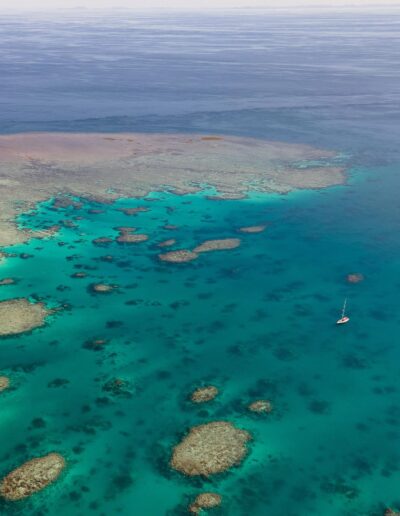
Bait Reef is a mid-shelf coral reef located 65 kilometres northeast of Airlie Beach on the Outer Great Barrier Reef. Situated within a no-take green zone in the Great Barrier Reef Marine Park, this pristine reef sits west of Hardy Reef and Hook Reef, making it one of the closest outer reef locations accessible from the Whitsundays. The reef features exceptional coral cover and diverse marine ecosystems, recognised as one of the most spectacular diving and snorkelling destinations on the Great Barrier Reef.
The reef extends across multiple depths ranging from shallow lagoons at 4 metres to dramatic wall dives reaching 40 metres. Bait Reef hosts a collection of world-renowned dive sites including the famous Stepping Stones, Gary's Lagoon, Manta Ray Drop Off, and Wally's Wall. Each site offers distinct underwater terrain from shallow coral gardens perfect for snorkellers to underwater canyons, caves, and swim-throughs that challenge experienced divers. Water visibility typically ranges from 15 to 40 metres, with water temperatures between 24 and 29 degrees Celsius year-round.
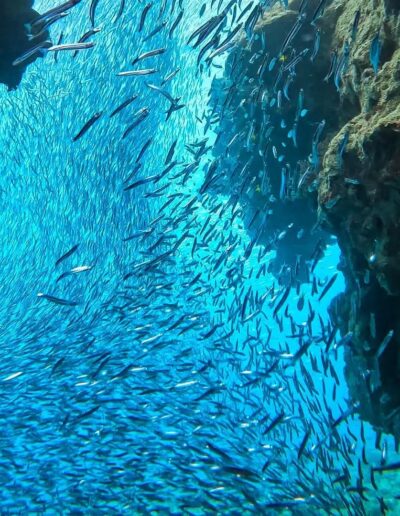
Bait Reef is home to an abundance of tropical marine life including manta rays, sea turtles, Maori wrasse, reef sharks, trevally, wobbegongs, and countless species of tropical fish. The reef's protected status as a marine sanctuary ensures thriving coral populations and healthy fish stocks. Twelve public moorings provide safe anchorage for visiting vessels, with tour operators and private boats sharing access to this remarkable natural wonder. Travel time from Airlie Beach takes approximately two hours by boat, sailing through the scenic Whitsunday Islands before reaching the open waters of the Coral Sea.
What to Expect at Bait Reef
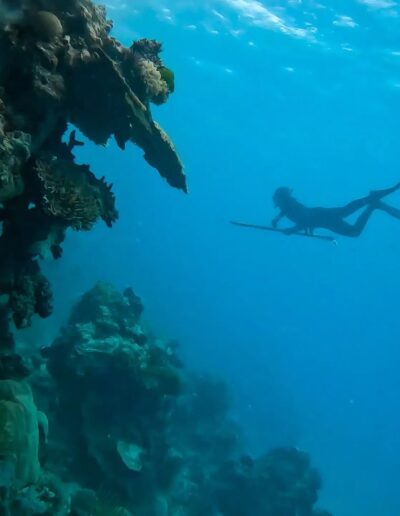
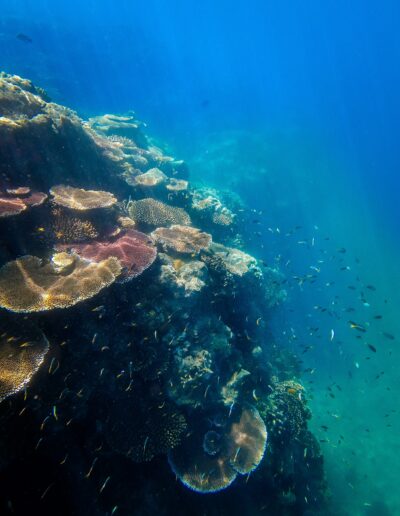
Bait Reef offers an immersive outer reef experience with crystal-clear waters and remarkable underwater visibility. The reef's isolation from the mainland creates serene conditions with minimal sediment, resulting in pristine coral formations and vibrant colours. Snorkellers can explore shallow coral gardens teeming with small tropical fish, while divers descend into deeper territories where large pelagic species patrol dramatic drop-offs and vertical walls.
The Stepping Stones stand as Bait Reef's signature attraction - more than 18 flat-topped coral pinnacles arranged in a row along the southwestern edge of the reef. These massive formations rise from 15 to 25 metres depth to within one metre of the surface, creating spectacular underwater towers completely covered in hard and soft corals. Each pinnacle varies from 15 to 50 metres in diameter with absolutely vertical sides, forming canyons and passages where clouds of colourful fish swarm and large species like cod, trevally, and coral trout cruise the depths.
Gary's Lagoon provides a protected entry point ideal for beginner divers and snorkellers, with excellent coral cover in shallow waters ranging from 4 to 18 metres. The lagoon's walls feature solid coral formations with scattered bommies rising from sandy bottoms, creating easy diving conditions with minimal current. Marine encounters at Bait Reef include regular sightings of manta rays gliding through the blue, green turtles grazing on coral, resident wobbegong sharks resting under ledges, and during certain seasons, humpback whales passing through the outer reef waters.
How to Get to Bait Reef
Great Barrier Reef Tours
Most visitors reach Bait Reef on Great Barrier Reef tours departing from Airlie Beach or Hamilton Island. Full-day snorkelling tours typically depart early morning from Shute Harbour, arriving at Bait Reef mid-morning with approximately 3.5 hours on the reef before returning late afternoon. These tours travel through the Whitsunday Islands, offering scenic views of tropical islands and fringing reefs before reaching the outer reef.
Scuba Diving Tours
Dedicated diving tours provide access to Bait Reef's deeper sites including the Stepping Stones, Manta Ray Drop Off, and the Maze. Most diving tours include two dive locations around the reef, with all equipment, wetsuits, and experienced dive guides provided. Tours operate on purpose-built vessels featuring dive platforms, air-conditioned interiors, and hot water showers. Hamilton Island dive tours offer convenient departures for island guests staying in the Whitsundays.
Overnight Sailing Tours
Multi-day sailing adventures venture to Bait Reef on longer itineraries combining island anchorages with outer reef exploration. These overnight tours offer more time at the reef with opportunities for dawn and dusk diving when marine life is most active. Liveaboard experiences allow multiple dives across different sites, exploring the full diversity of Bait Reef's underwater landscapes.
Private Vessels
Experienced sailors with private boats can navigate to Bait Reef using the twelve public moorings available in the southwestern quadrant of the reef. The journey from Airlie Beach takes approximately two hours in favourable conditions, sailing beyond the Whitsunday Islands into the Coral Sea. Proper navigation equipment and marine charts are essential, as is checking weather forecasts before departure. Mooring fees apply and must be pre-booked through the appropriate authorities.
Dive Sites at Bait Reef
The Stepping Stones
More than 18 flat-topped coral pinnacles rising from 15-25 metres to within one metre of the surface. Each pinnacle features vertical sides completely covered in hard corals, soft corals, and gorgonian fans. Shallow tops perfect for snorkelling, while canyons and caves between the stones offer exciting diving. Home to clouds of tropical fish, large wrasse, sweetlip, cod, trevally, and coral trout.
Gary's Lagoon
Well-protected lagoon ideal for beginner divers and snorkellers. Depth ranges from 4 to 18 metres with walls forming inlets of solid coral and sandy bottom scattered with low coral bommies. Excellent coral cover including large soft corals, reef fish, turtles, wobbegongs, and occasional manta rays. Minimal current makes for easy, relaxing diving conditions.
Manta Ray Drop Off
Dramatic vertical drop featuring a tunnel covered with small corals. Known for frequent manta ray sightings along with bump-headed parrotfish, mackerel, and barracuda. Strong currents make this an intermediate to advanced dive site. Spectacular wall diving with excellent visibility into the blue water of the Coral Sea.
The Maze
Located at the southern end of the Stepping Stones, this dive site is a maze of canyons, caves, and crevices in relatively shallow water (5-15 metres). Large fish often found in caves and under ledges including groupers, angelfish, and trevally. Minimal current within the maze makes it accessible for intermediate divers seeking adventure.
Wally's Wall & Southern Face
Wall dives along Bait Reef's edges dropping from shallow water down to 20-30 metres. Numerous deep gullies cut into the walls with coral rubble and sand bottoms. Home to angelfish, sweetlip, cod, and soldierfish in the gullies, with large turtles, manta rays, mackerel, and barracuda cruising the drop-offs.
Things to Do at Bait Reef
🤿 Snorkelling
Explore shallow coral gardens atop the Stepping Stones and within protected lagoons. Crystal-clear water visibility makes spotting tropical fish, turtles, and rays easy for snorkellers of all experience levels.
🤿 Scuba Diving
Descend into underwater canyons, explore swim-throughs, and drift along dramatic wall dives. Multiple dive sites cater to all certification levels from beginner to advanced technical divers.
📸 Underwater Photography
Exceptional water clarity and abundant marine life make Bait Reef a photographer's paradise. Capture macro shots of nudibranchs and coral polyps or wide-angle images of manta rays and reef sharks.
🐠 Marine Life Viewing
Encounter manta rays, sea turtles, Maori wrasse, reef sharks, trevally, and countless tropical fish species. Night dives reveal resident reef sharks, large trevally, and nocturnal marine creatures.
🌊 Drift Diving
Experience effortless diving as currents carry you along reef walls and through channels. Drop Zone and other sites offer exciting drift dive opportunities for experienced divers.
🔍 Reef Education
Learn about coral reef ecosystems, conservation efforts, and the Great Barrier Reef's biodiversity from experienced guides. Many tours include educational commentary about reef rehabilitation projects.
Nearby Reefs & Attractions
🪸 Hardy Reef
Located east of Bait Reef, Hardy Reef is home to the famous Heart Reef and features a permanent pontoon platform for reef viewing, snorkelling, and diving activities.
🌊 Hook Reef
Another spectacular outer reef location east of Bait Reef, known for remote dive sites, dramatic coral formations, and diverse marine life with fewer visitors than other reefs.
🏝️ Whitsunday Islands
Journey to Bait Reef passes through the 74 tropical Whitsunday Islands. Many tours combine outer reef snorkelling with visits to Whitehaven Beach on Whitsunday Island.
Essential Information
Best Time to Visit
Bait Reef can be visited year-round, with the best conditions typically occurring from April to October during the dry season. Water visibility is excellent throughout the year but tends to be clearest during winter months (June to September) when water temperatures range from 22 to 25 degrees Celsius. Summer months (November to March) bring warmer water temperatures of 26 to 29 degrees but also marine stinger season, requiring protective stinger suits. Wind conditions affect outer reef access, with tours requiring wind speeds below 20 knots (35km per hour) for comfortable crossing.
What to Bring
Most tours provide all snorkelling and diving equipment including masks, fins, wetsuits, stinger suits, and flotation devices. Bring reef-safe sunscreen, hat, sunglasses, towel, and water bottle for the boat journey. Underwater cameras or GoPros are recommended for capturing reef encounters. For certified divers, bring your certification card and logbook. Seasickness medication is advisable for those prone to motion sickness during the two-hour boat crossing to the outer reef.
Important Notes
- Bait Reef is a no-take green zone - no fishing or collecting marine life permitted
- Marine stinger season (November to May) requires protective stinger suits when snorkelling or diving
- Strong currents occur at certain sites - always follow guide instructions and stay with your group
- Boat trips to outer reef locations can be cancelled due to weather conditions and rough seas
- Divers must complete medical questionnaires and present certification cards before diving
- Do not touch coral or marine life - look but don't touch to protect the reef ecosystem
- Use only reef-safe sunscreen to minimise chemical impact on coral health
- Project Reefresh coral rehabilitation site is accessible near mooring 209 - view conservation efforts in action
Frequently Asked Questions
How far is Bait Reef from Airlie Beach?
Bait Reef is located 65 kilometres northeast of Airlie Beach, approximately a two-hour boat journey through the Whitsunday Islands to the outer Great Barrier Reef.
Is Bait Reef suitable for beginner snorkellers?
Yes, Bait Reef offers excellent snorkelling for beginners in protected shallow lagoons like Gary's Lagoon and atop the Stepping Stones. Tours provide flotation devices and guides for first-time snorkellers.
What marine life can you see at Bait Reef?
Common sightings include manta rays, sea turtles, Maori wrasse, reef sharks, trevally, wobbegongs, coral trout, and countless tropical fish species. The reef's protected status ensures abundant marine life.
What are the Stepping Stones at Bait Reef?
The Stepping Stones are more than 18 flat-topped coral pinnacles arranged in a row, rising from 15-25 metres depth to within one metre of the surface. They're completely covered in coral and create spectacular diving terrain with canyons and channels between the pinnacles.
Can you visit Bait Reef from Hamilton Island?
Yes, several tour operators offer Bait Reef day trips from Hamilton Island with pickup at the marina. The journey takes approximately two hours from Hamilton Island to the outer reef.
Tours to Bait Reef
Experience Bait Reef on full-day snorkelling tours and diving adventures departing from Airlie Beach and Hamilton Island. Tours include equipment, experienced guides, and opportunities to explore multiple reef sites including the famous Stepping Stones.
Good to Know
✓ Mid-shelf reef on the Outer Great Barrier Reef
✓ 65km northeast of Airlie Beach (2 hours by boat)
✓ No-take green zone marine sanctuary
✓ Famous for the Stepping Stones pinnacles
✓ Visibility ranges from 15-40 metres
✓ Depth ranges from 4 to 40 metres
✓ 12 public moorings available for vessels
✓ Closest outer reef location to the Whitsundays
Type: Mid-Shelf Coral Reef (Outer Great Barrier Reef)
Location: 65km northeast of Airlie Beach, Great Barrier Reef Marine Park
Best For: Snorkelling, scuba diving, underwater photography, marine life viewing